Bitters celebrate the pure power of botanicals, transforming simple recipes into extraordinary experiences
So what are bitters anyways?
-
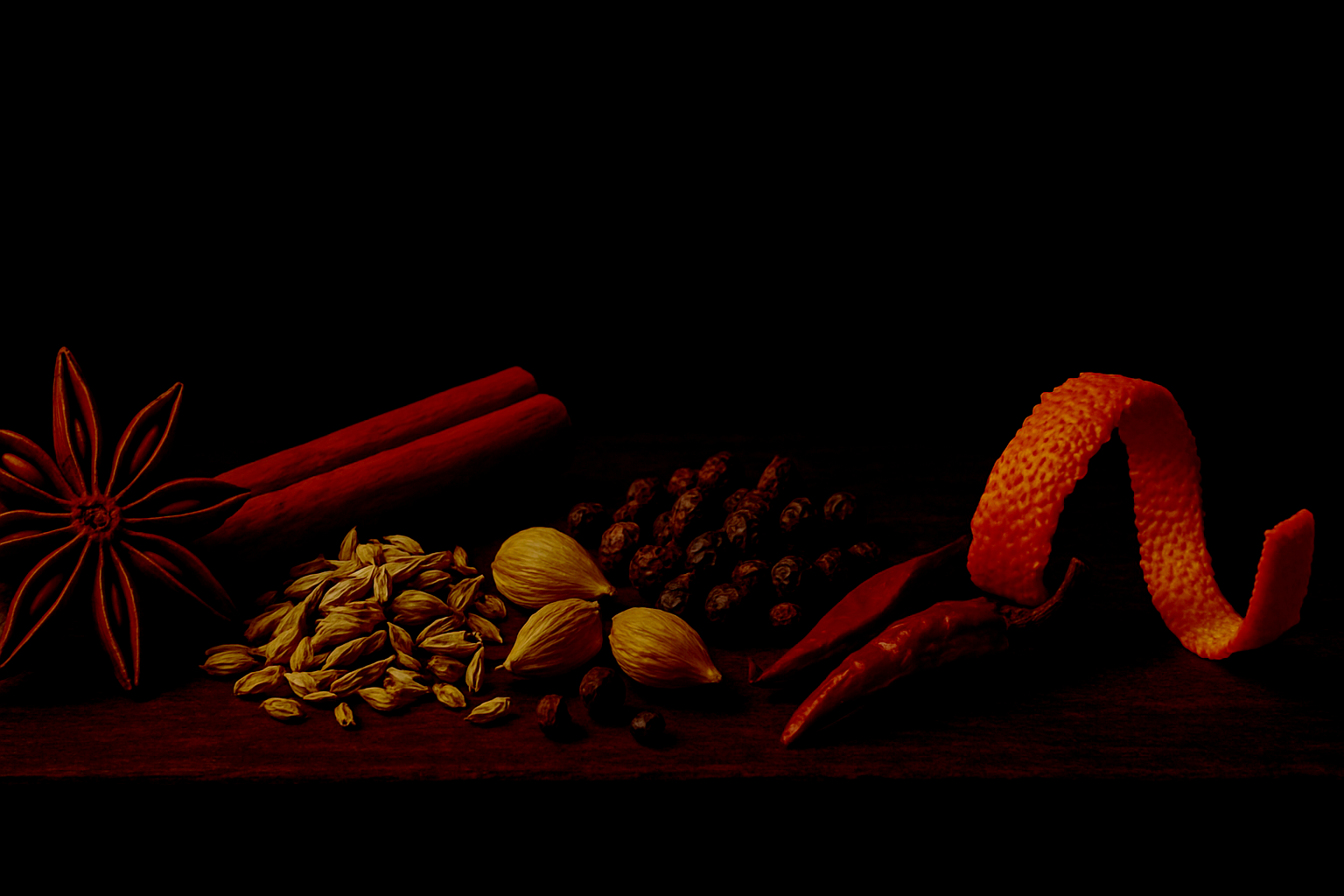
Bitters are like magic potions made by infusing roots, peels, herbs, and spices in a flavor extractor (like strong alcohol or plant-based glycerin) that extracts the amazing aromatics to perfection.
-
Bitters are powerful flavor enhancers. A few drops add balance, brightness, and richness to drinks and food. They give a dish or drink a clear start, middle, and finish, wake up your taste buds, and make everything taste better.
-
You can use bitters almost anywhere you want more flavor.
In drinks, just a few drops can elevate it to taste more sophisticated and nuanced.
In sweet dishes, bitters brighten desserts and add a citrusy or spicy edge.
In savory dishes, they infuse marinades, dressings, soups, and roasted vegetables with herbal, spicy, or citrus notes that tie all the flavors together.
Learn more about how to use our bitters by clicking the link below:
Bitters - General FAQ
(Scroll down for Swicy Bitters FAQ)
-
Think of bitters as liquid seasoning with superpowers. If you love big, layered flavor, these tiny bottles absolutelydeserve a spot in your pantry. Here’s how they level you up:
Home cooks: A few drops make salad dressings, soups, and sauces instantly punchier.
Home bakers: Slip bitters into doughs or batters for a sneaky, extra layer of “wow.”
Fizzy water fans: Add a dash to sparkling water for an instant zing that feels like grown-up soda.
Check out our recipes page to learn more!
-
3000+ years ago - Nature Doctors: People in Egypt, China, and India soak bark, roots, and herbs in booze to make medicinal potions.
1500s - The Apothecary Era: European healers bottle bitter tonics for stomach troubles (and give them dramatically fancy names).
1700s–1800s - The Great Bitters Boom: Bitters become a cure-all craze; Angostura and Peychaud’s are born, originally as medicinal formulas.
Mid-1800s - Oops… These Taste Good: Bartenders start splashing medicinal bitters into cocktails, basically inventing the Manhattan and Old Fashioned cocktails.
1920s - Prohibition Plot Twist: Bitters survive alcohol bans because they’re “medicine,” keeping cocktail culture alive - barely!
2000s: Bitters Renaissance: Craft distillers revive old recipes, invent wild new flavors, and bitters become the spice rack of bartenders and cooks.
Today - Bitters Everywhere: The rise of the sober-conscious movement paired with an evolution of bitters to be non-alcoholic. We seem them in drinks, desserts, marinades, ice cream, coffee… they’re tiny bottles of flavor superpowers.
Click this link to learn more: https://en.wikipedia.org/wiki/Bitters
-
Alcohol-based bitters last basically forever (they’re like the vampires of your pantry).
Non-alcoholic bitters last a bit less - think months to a year — but they won’t suddenly go bad; they just get shy and lose flavor. Keep them in the fridge to extend the life of your bitters.
-
1. Start Small - Bitters Are Tiny but Mighty:Begin with 2–3 drops, taste, then add more. Bitters work like salt: easy to add, hard to undo.
2. Fix “Too Sweet” or “Too Boring” in Seconds: If a drink or dish tastes flat, a dash of bitters adds instant depth and makes flavors pop.
3. Use Your Nose First:Give the bottle a sniff, the aroma tells you exactly what flavors it will boost.
4. Go Beyond Cocktails: Try bitters in black coffee, tea, sparkling water, whipped cream, cookies, salad dressings, or fruit. They’re basically a botanical cheat code
5. Mix and Match Like Spices: Collect a few different bitters and treat them like a mini spice rack - citrus for brightness, spice bitters for warmth, herbal bitters for balance.
Check out detailed recipes here (updated monthly):
-
Bitters work by activating your T2R bitter taste receptors, which trigger a cascade of sensory effects: increased saliva flow, heightened aroma perception, and stronger contrast between sweet, sour, and savory notes. In other words, bitters don’t just add flavor, they amplify what’s already there by boosting trigeminal stimulation and retronasal olfaction. Their solvent (alcohol or glycerin) extracts complex phenolics, terpenes, and alkaloids from botanicals, creating concentrated mixtures that interact with multiple sensory pathways at once. For a deeper dive into the science of bitterness and flavor perception, explore:
Epicurious – What Are Bitters and Why Do They Make Drinks Better?
VinePair – A Complete Guide to Bitters and the Cocktails to Make With Them
Flavory Dishes – How Are Aromatic Bitters Made?
Four Dollar Jacks – Understanding the Aromatic Science of Bitters in Cocktails
Imbibe – The Bittersweet Symphony of Cocktail Bitters
Swicy Bitters FAQ
-
Swicy bitters are bitters that blend sweet, fruity notes with warming spice or heat (think chili, cinnamon, cardamom etc.). They’re the flavor love-child of sweet and spicy botanicals.
-
Because Swicy bitters add dimension, not just bitterness: they brighten fruity drinks, deepen warm cocktails, and give mocktails a playful kick without overwhelming heat.
-
They’re usually more tingly than fiery. You’ll feel a warm buzz rather than a mouth-on-fire burn - think “gentle chili handshake,” not “dragon breath.”
-
They shine in tropical drinks, ginger beer mocktails, margaritas, sparkling water, and even fruit salads, caramel sauces, and roasted veggies. Anywhere sweet meets heat, swicy bitters thrive.
-
Follow these 5 tips to get the most out of your Swicy bitters:
1. Store in a cool, dark place
Light and heat fade flavors, so keep bitters in a pantry or cabinet - upright and away from direct light.
2. Refrigerate non-alcoholic bitters
Alcohol-based bitters last indefinitely at room temp; NA or glycerin-based bitters stay fresher longer in the fridge.
3. Shake before using
Cloudiness or sediment is normal, it’s just real botanicals settling. A quick shake resets everything.
4. Clean droppers and caps
Wipe them occasionally to prevent sticky build-up and keep the bottle sealing properly.
5. Watch for fading flavor, not spoilage
Bitters don’t really “go bad”; they simply lose aroma and intensity over time. If they smell faint, they’re past peak but still safe. That said, discard after one year from the manufacture date on the bottle.